
What Is an Air Assisted Airless Sprayer? Technology Explained
An air-assisted airless sprayer is one of the most versatile tools in professional finishing, offering fine atomization at lower pressures than traditional airless systems. Here's how the technology works and when to use it.
The air-assisted airless sprayer emerged in the 1970s to meet growing demand for more efficient coating systems — combining the best of both air spray and airless technology. Air-assisted airless was one that developed to fill a need that resulted from escalated material costs and newly enacted Environmental Protection Agency (EPA) regulations. Air-assisted airless, under ideal conditions, combines the best features of air spray along with the best of airless.
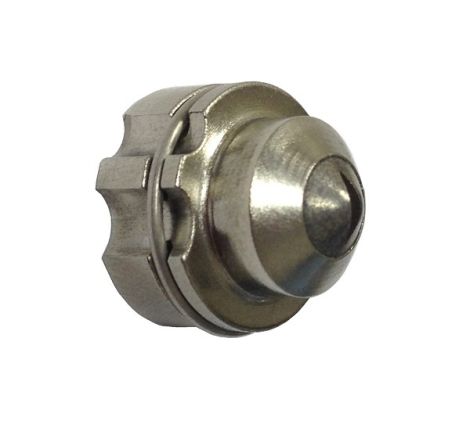
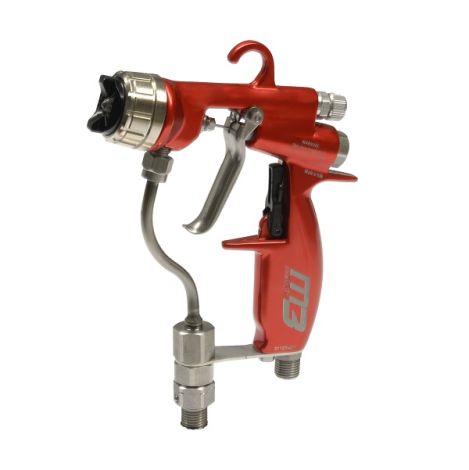
Air-assisted airless spray guns first partially atomize the fluid with a special fluid nozzle tip similar to a standard airless tip. Second, they complete the atomization with small amounts of compressed air from the face and/or the horns of the air nozzle that they use. The result is a finely atomized spray pattern closely resembling that of a compressed air system. Newly designed low-pressure, air-assisted airless systems are also available. Some systems restrict the atomizing air pressure to comply with various EPA guidelines; as a result, these systems can be considered HVLP air-assisted airless.
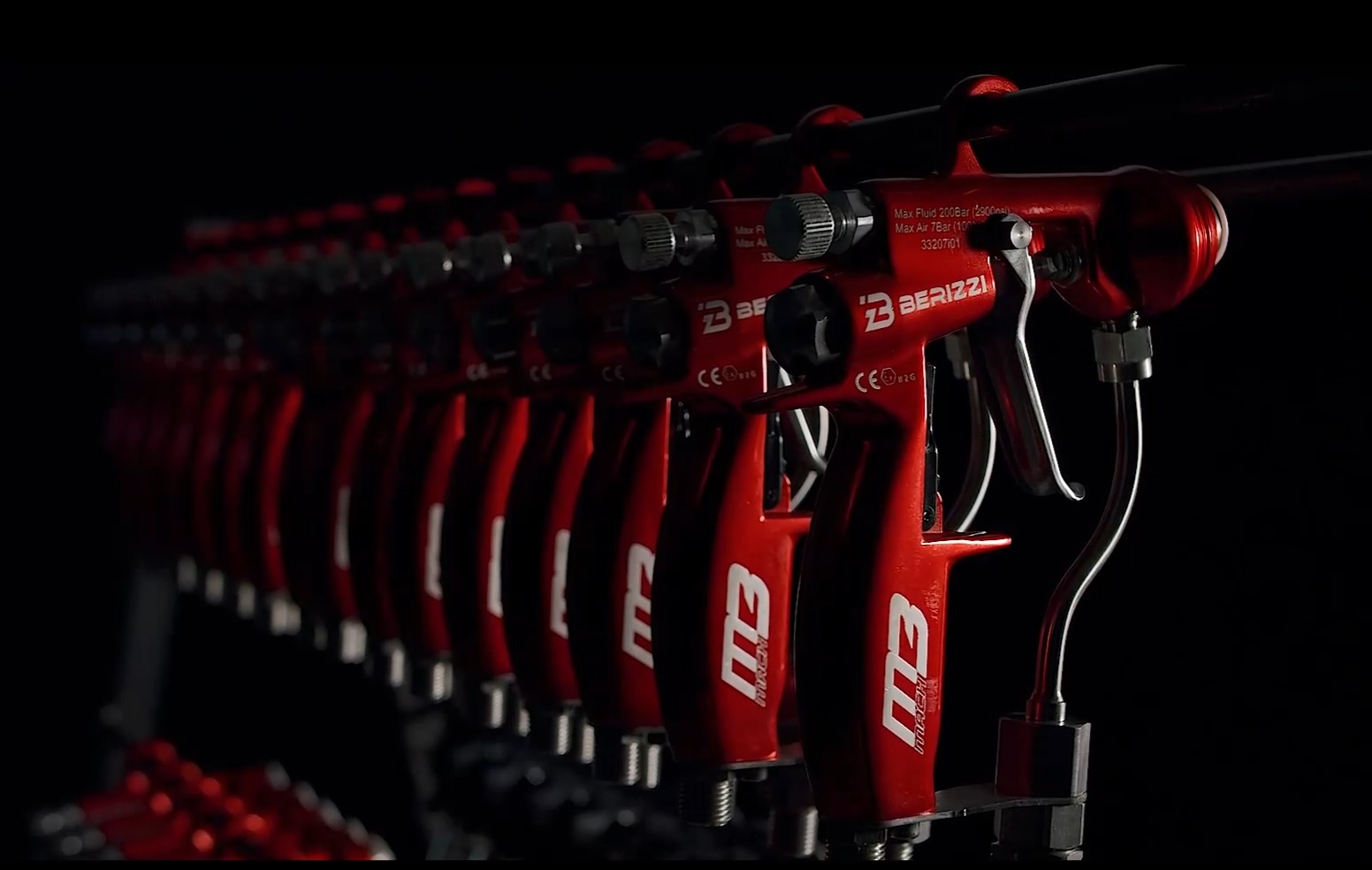
Advantages of an Air Assisted Airless Sprayer
The primary advantage of air-assisted airless is its "soft" spray atomization. Atomization air pressures are usually low, under 20 psi, and as a result, this system provides a fine finish with most coatings approaching that of compressed-air atomization. With air-assisted airless we can see an approximate 30% improvement in transfer efficiency over compressed air. This system allows us to increase flow rates, while also spraying into recesses and cavities, without excessive bounce-back of material. This means less booth maintenance and cleanup time. We also can expect a reduction in compressed-air supply requirements. Since fluid pressures generally range from 200-800 psi, less wear on the pump and tip is to be expected.
Disadvantages of an Air Assisted Airless Sprayer
Tip clogging with .007 to .011 orifice size can occur with air-assisted airless. Tip clogging usually occurs with pigmented coatings and for easy unclogging try out our tip cleaning needles.
Not sure which system fits your work? Our spray gun guide walks through how to pick the right spray gun for your project.
Post comments
Leave A Reply
Your email address will not be published.