
Best Spray Gun for Cabinets and Fine Finish Work
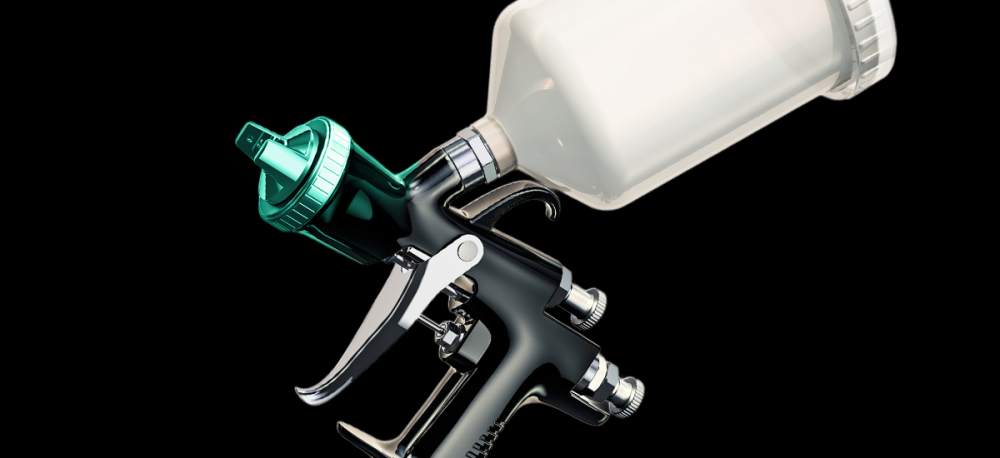
Getting a flawless cabinet finish comes down to atomization and pressure, but the margin for error is razor-thin. Push the pressure too high and bounce-back wastes material. Drop it too low and the fan develops tails, dry spray or uneven coverage. The difference between a clean finish and a redo is matching the right gun and tip to the coating and surface.
Professional cabinet and furniture finishing breaks into two equipment paths — gravity feed for precision and detail work, or air-assisted airless sprayers for production volume. Both deliver professional results when paired with the right tip configuration and setup.
The Best Gun Setup for Cabinet Finishing
The best spray gun for cabinets and fine-finish work breaks down to production volume. Low-pressure gravity feed guns work when control and detail matter most. Air-assisted airless systems make sense for shops finishing cabinets at production volume.
Gravity Feed for Detail and Touch-Up Work
Low-pressure gravity feed guns give operators control through lower fluid pressure atomization. The fine mist works well on intricate profiles and furniture details. Less pressure means less overspray, which matters when applying lacquers, waterborne finishes or working on smaller components where wasted material adds up fast.
The line includes two options:
- Mini touch up gravity gun: Ideal for small repairs, touch-ups and detailed work on components where a full production gun would waste material.
- Low-pressure air brush: Handles fine furniture detail, decorative accents and situations demanding maximum precision over pattern width and flow rate.
Hybrid Air-Assisted Airless for Production Work
Furniture manufacturers, cabinet makers and door manufacturers finishing at scale often turn to the Mach 3 air-assisted airless spray gun. The gun atomizes coating at moderate fluid pressure, then adds a shot of air at the cap to clean up the pattern. The payoff is decorative-quality finishes that keep up with production speed.
The Mach 3 is compatible with Sames Kremlin, CA Technologies, Graco, Wagner, Anest Iwata and Optima systems, making it a great replacement for any finishing equipment.
Specs include:
-
Maximum working fluid pressure: 2,900 pounds per square inch (PSI)
-
Maximum air pressure: 100 PSI
-
Design focus: Metal and wood finishing industry with ergonomic, lightweight build
-
System compatibility: Direct replacement for major OEM platforms
Setup variables matter more than gun type. Tip selection, fluid pressure, atomizing air and gun-to-surface distance determine real-world transfer efficiency. Match those settings to the coating and surface, and the finish quality takes care of itself.
How to Choose the Right Finish Tips for Cabinets
The gun delivers the pressure, but the tip controls the finish. Tip selection determines fan width, orifice size and how much material comes out. For cabinet and door work, go smaller on orifice size and narrower on fan width to cut overspray and dial in precision.
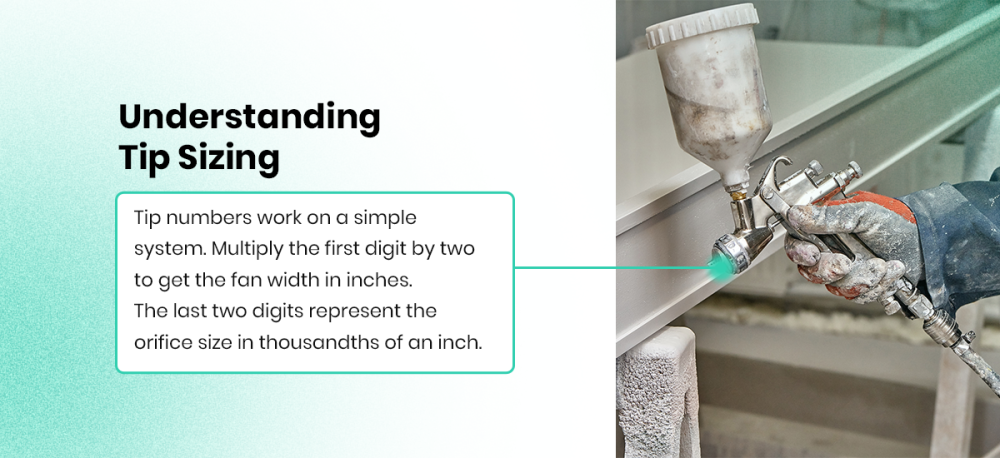
Understanding Tip Sizing
Tip numbers work on a simple system. Multiply the first digit by two to get the fan width in inches. The last two digits represent the orifice size in thousandths of an inch. So a 311 tip throws a 6-inch fan with a 0.011-inch orifice, which is ideal for stains and lacquers on cabinets.
For cabinet and door work, stick with tips in the 211–311 range. These provide a smaller orifice, a narrower fan and less waste. Tips in the 515+ range are for walls and thick coatings, not fine finish work.
Getting tip selection right improves transfer efficiency and cuts material waste. Cabinet shops running lacquers and waterborne finishes see the benefits immediately — less material floating in the air and more landing on the surface.
Fine Finish vs. Standard Tips
Standard tips atomize coating once when it passes through the orifice. Fine finish and superfine tips work differently — they break down the coating twice, first through a pre-orifice and then through the tip itself. That double pass creates a softer, finer spray pattern at lower pressure, which is why lacquers, enamels and waterborne finishes on cabinets turn out better with these tips.
Superfine finish tips come in over 100 combinations of spray angle and orifice size, all designed for woodworking, cabinets, furniture and trim. Kremlin and Graco fine finish tips work the same way for air-assisted airless systems. Either option offers precision to knock out orange peel and get glass-smooth results.
Gravity Feed vs. Air-Assisted Airless — Which Is Right for Your Shop?
Shops running one kitchen a month or doing detailed furniture work get the control and precision they need from gravity feed without wasting material. Running a kitchen a week or more? The Mach 3 makes sense — it combines airless speed with finish quality that rivals high-volume, low-pressure (HVLP), operating at 300–600 PSI instead of the 1,000–2,500 PSI pure airless systems require.
HVLP systems are still common, and they work well for specific applications. The difference between HVLP and low-volume, low-pressure (LVLP) comes down to air consumption and transfer efficiency. For cabinet shops specifically, the Mach 3 splits the difference — better material savings than pure airless, faster coverage than HVLP.
Getting the Most Out of Your Setup
Equipment gets you most of the way there, but setup closes the gap. These adjustments can make all the difference:
-
Check the manufacturer's data sheet for viscosity range: Lacquers usually need thinning, whereas waterborne finishes need less. Getting the viscosity right gives you smooth flow without orange peel or runs.
-
Start at low pressure and work up until the fan evens out: Tails appear as two thin lines at the edges when pressure is too low. Bump it up incrementally until they blend into the pattern, then stop there — that's your sweet spot for coverage without excess overspray.
-
Match your tip to the work: Fine finish tips give you the atomization you need for cabinet-grade work. For air-assisted airless, you're typically running 300–600 PSI fluid pressure with 5–15 PSI atomizing air, which is lower than the 1,000–2,500 PSI pure airless systems run. That lower pressure is what delivers the finish quality and material efficiency.
- Hold consistent distance from the surface: Six to 8 inches works for most cabinet finishing. Stay in that range and you get smooth, even coverage with the material landing exactly where you aim it.
-
Test on scrap before moving to the cabinet: A quick spray-out shows whether your fan is even, your finish is flowing smoothly and your pattern matches the part. Adjust before production so problems don’t show up on finished doors.
Shop KM Coating Inc. Spray Guns and Fine Finish Tips
KM Coating Inc. carries Berizzi spray systems at prices well below OEM. These are the same guns running in furniture plants and production cabinet shops.
For detail work and smaller runs, low-pressure gravity feed guns deliver the control you need. Running higher volume? The Mach 3 handles production speed without giving up finish quality. Both systems work with over 100 superfine finish tip options built for woodworking and cabinet work.
Orders over $50 ship free. Browse our selection of spray guns and fine finish tips today and find the right match for your shop.
Post comments
Leave A Reply
Your email address will not be published.